Educational scope. This article does not diagnose diabetes and does not tell you to start, stop or change medicine. Diagnosis, targets and treatment should be set with a qualified healthcare professional.
What diabetes means
Glucose is an important source of energy. Insulin, a hormone made by the pancreas, helps move glucose from the bloodstream into cells. Diabetes is a group of conditions in which blood glucose stays higher than it should because the body does not make enough insulin, does not use insulin effectively, or both.
That simple description hides a lot of variation. Two people can both have diabetes and still need very different treatment, monitoring and meal plans. Age, type of diabetes, pregnancy, kidney function, cardiovascular risk, medicines, work pattern and access to care can all affect the safest approach.
The main types are not interchangeable
Type 1 diabetes
Type 1 diabetes occurs when the immune system destroys the insulin-producing cells of the pancreas. People with type 1 diabetes need insulin. Type 1 diabetes is not caused by eating sugar and is not currently considered preventable.
Type 2 diabetes
Type 2 diabetes is the most common form. The body becomes less responsive to insulin and, over time, may also produce less insulin. Treatment can include nutrition and activity changes, tablets or other medicines, and sometimes insulin. Type 2 diabetes can often be delayed or prevented in people at increased risk, but prevention is not a guarantee and should not be framed as a matter of personal blame.
Gestational diabetes and other forms
Diabetes can also first be recognised during pregnancy, and some people have less common forms related to genetics, pancreatic disease, medicines or other conditions. Pregnancy changes both glucose targets and treatment considerations, so pregnant people should use pregnancy-specific professional care rather than generic internet advice.
What glucose and HbA1c tell you
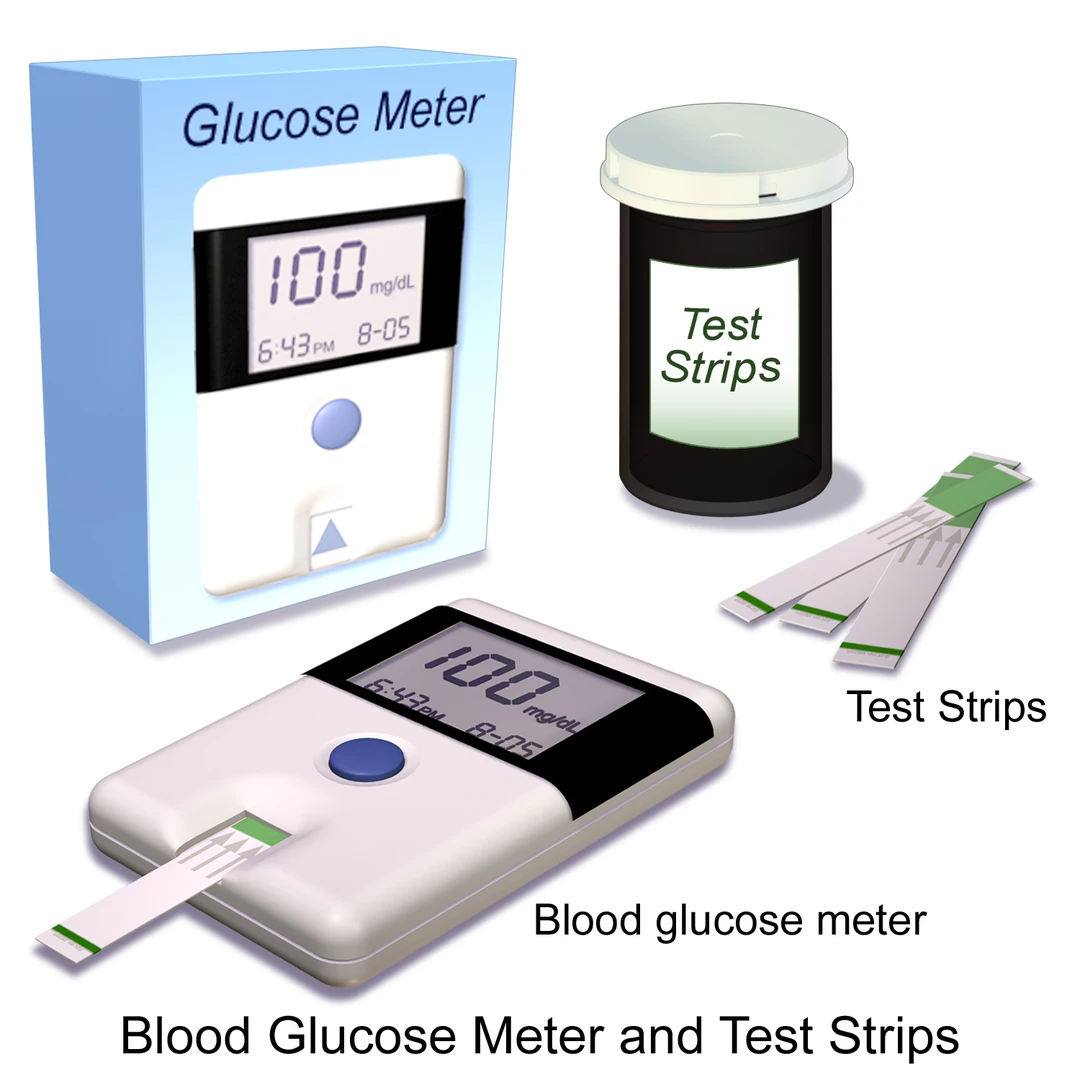
Blood glucose tests show the glucose level at a particular point in time. Depending on the situation, testing may be done in a clinic, laboratory or at home using a meter or continuous glucose monitor. A single reading does not explain the whole pattern.
HbA1c is a laboratory test that reflects average glucose exposure over roughly the previous two to three months. It is useful for many people with diabetes, but it is not the only measure that matters and it can be less reliable in some situations. Your clinician can explain what test is appropriate and what result range is meaningful for you.
Monitoring should answer a question
Checking glucose is most useful when there is a reason for doing it. A healthcare professional may ask you to monitor at particular times to understand fasting levels, the effect of meals, the response to medication, the risk of low glucose, or a change in symptoms.
If you monitor at home, it can help to record enough context to make the number meaningful: the time, whether it was before or after food, recent activity, medication timing and any symptoms. That record can make a follow-up appointment more productive.
People who take insulin or medicines that can cause hypoglycaemia may need more detailed safety planning. Ask what symptoms of low glucose to recognise, what treatment to keep available and when to seek urgent help.
Long-term care is wider than glucose
The World Health Organization emphasises long-term, integrated follow-up. Diabetes can affect the heart and blood vessels, kidneys, eyes, nerves and feet. Routine care may therefore include blood pressure and cholesterol management and periodic eye, kidney, nerve and foot assessment.
The exact schedule depends on the person. A useful appointment question is: “Which routine checks are due for me, and how often should they be repeated?”
Daily self-management also has a psychological side. Food planning, medicines, monitoring and fear of complications can become tiring. Support from family, peers and healthcare professionals can make a practical difference.
When general information is not enough
Seek urgent medical assessment for severe or rapidly worsening symptoms. This can include confusion, loss of consciousness, severe weakness, repeated vomiting, difficulty breathing, severe dehydration, or symptoms that could indicate diabetic ketoacidosis or a severe low-glucose episode.
If you are unsure whether a situation is urgent, use a local medical service rather than waiting for an email response from this website. Creative Dynamics does not provide emergency care.
Sources used for this guide
- Kenya Ministry of Health — Protocols for Management of Selected Non-Communicable Diseases at Primary Care Setting.
- World Health Organization — Diabetes Q&A.
Last editorial review: 6 October 2026.