Carbohydrate matters — but context matters too
Carbohydrate-containing foods are broken down into glucose and can raise blood glucose. That does not mean all carbohydrate foods are “bad” or should be eliminated. The amount eaten, fibre content, processing, cooking method, what the carbohydrate is eaten with, medicines and individual response can all influence the glucose pattern.
Common carbohydrate sources include maize meal, rice, potatoes, bread, chapati, fruit, milk, beans and lentils. Some of these foods also provide fibre, protein, vitamins or minerals. The practical goal is usually to understand portions and build meals that are satisfying and nutritionally useful.
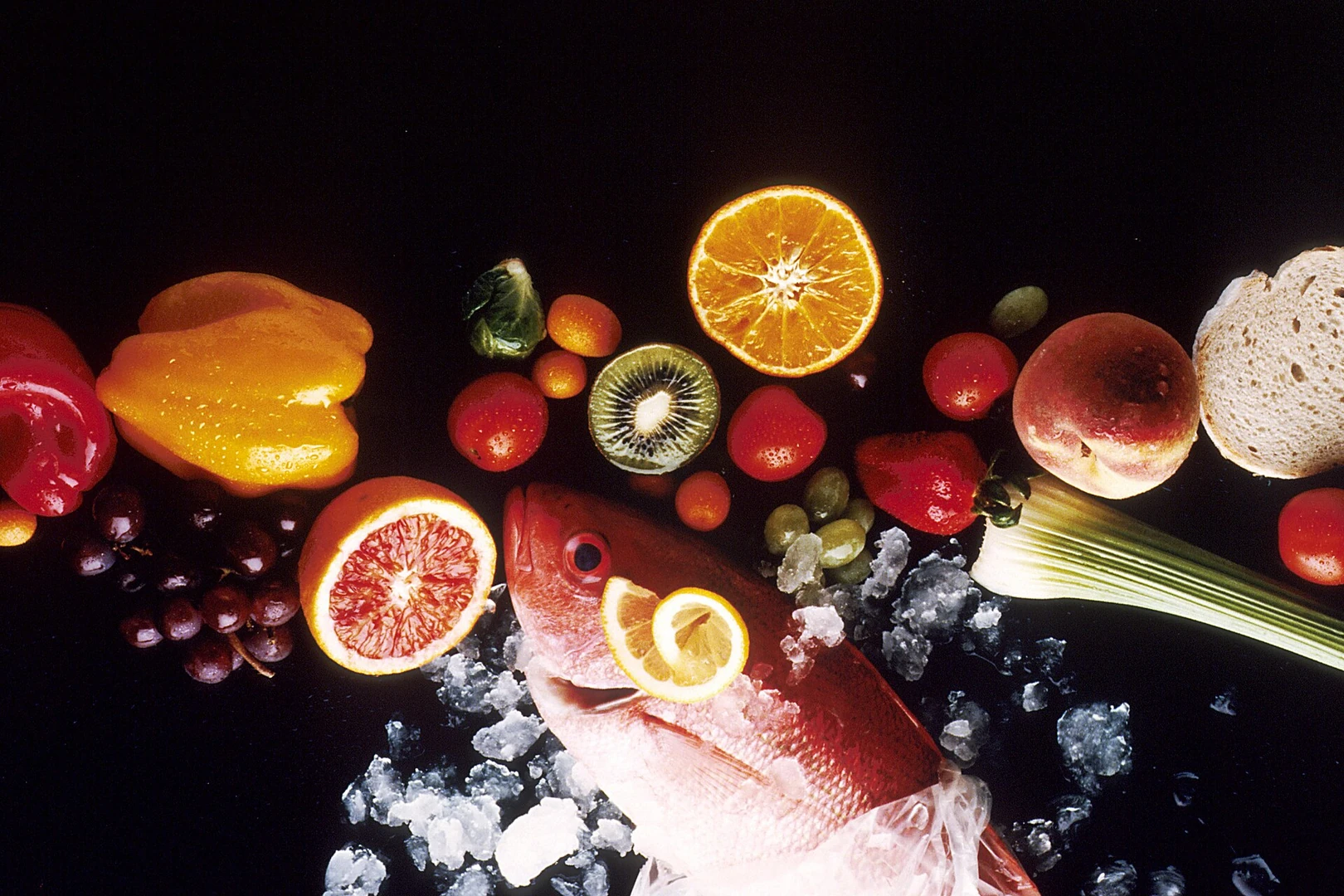
A flexible plate framework
One way to think about a mixed meal is to make non-starchy vegetables a large visual part of the plate, include a protein source, and keep a measured portion of the main starchy food. This is a framework, not a prescription.
Examples of non-starchy vegetables can include sukuma wiki, cabbage, spinach, tomatoes, peppers, courgette, eggplant and other local vegetables. Protein sources can include beans, lentils, eggs, fish, poultry, meat or unsweetened dairy, depending on preference, availability and health needs.
The starchy portion might be ugali, rice, potatoes, matoke, bread, chapati or another staple. Portion size is often more useful to discuss than simply labelling the food as allowed or forbidden.
Use local foods rather than chasing imported “health foods”
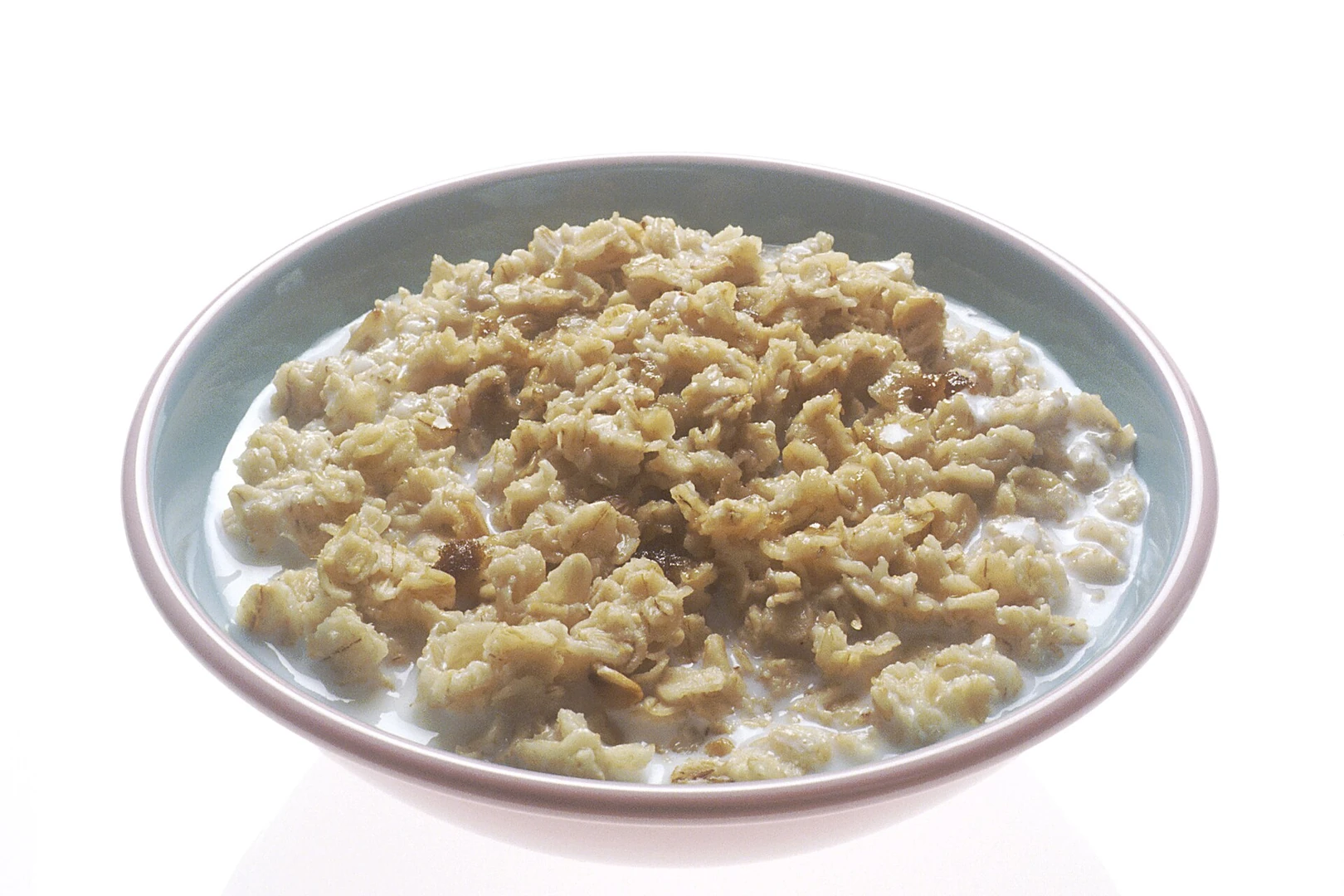
A balanced eating pattern does not require expensive specialist products. Beans and lentils can provide carbohydrate, fibre and protein. Leafy vegetables can add volume and micronutrients. Whole or minimally processed grains may provide more fibre than highly refined options, although availability and tolerance matter.
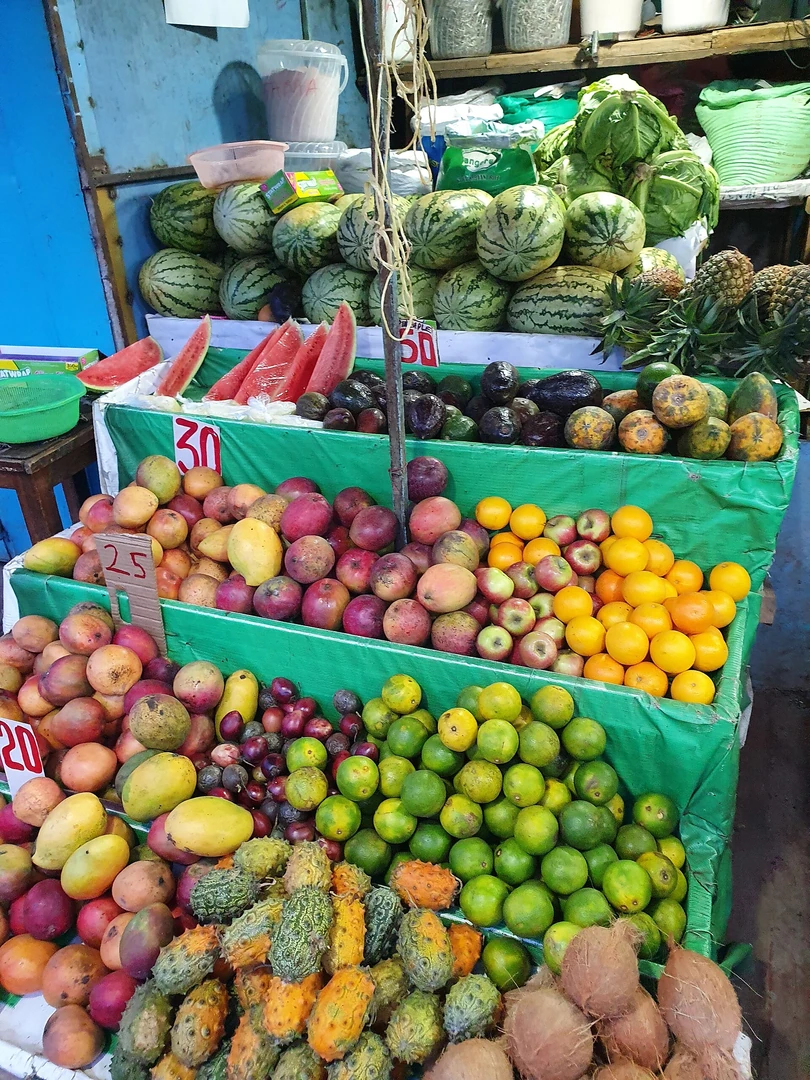
Fruit can fit into a diabetes meal pattern. Whole fruit is generally more filling than juice because it retains fibre and requires chewing. The portion and timing may matter, especially if glucose readings are frequently high or if medication timing is involved.
Drinks can change the picture quickly
Sugary soft drinks, sweetened juices, energy drinks and heavily sweetened tea or coffee can add a large amount of rapidly absorbed carbohydrate without much fullness. Water is a practical default drink for many people.
If you drink alcohol, discuss it with your healthcare professional, particularly if you use insulin or medicines that can cause low glucose. Alcohol can complicate glucose management and may interact with medicines or other health conditions.

A planning method that does not require perfection
- Choose the staple. Decide what your main carbohydrate food will be.
- Add vegetables. Use whatever seasonal or affordable vegetables are available.
- Add protein. Beans, lentils, eggs, fish, poultry, meat or another suitable source.
- Notice the portion. If glucose readings are consistently outside your agreed range, discuss the pattern with your clinician or dietitian rather than making extreme changes on your own.
- Keep the routine realistic. A plan that fits work, family and budget is more useful than a “perfect” menu that lasts three days.
Food changes can interact with medication
If you take insulin or a medicine that can cause hypoglycaemia, skipping meals, sharply cutting carbohydrate, fasting or suddenly increasing exercise can change your risk of low glucose. Ask your clinician what precautions apply to your specific medicine.
Do not use this article to calculate insulin doses, adjust prescription medication or replace individual nutrition care.
Sources used for this guide
Last editorial review: 6 October 2026.