Movement can be ordinary
Physical activity does not have to mean a gym membership. Walking, cycling, household tasks, active commuting and planned exercise can all contribute. The Kenya Ministry of Health’s primary-care NCD protocols include physical activity as part of diabetes management.
For some people, a short walk after a meal is easier to repeat than one long exercise session. For others, structured sessions work better. The right pattern depends on fitness, work schedule, safety, medicines and medical history.

Start from your current level, not someone else’s
A sudden jump in activity can cause soreness, injury or unexpected glucose changes. A more practical approach is to build volume gradually and pay attention to symptoms, footwear, hydration and the timing of medicines and meals.
If you use insulin or medicines that can cause hypoglycaemia, ask how exercise affects your risk of low glucose and whether you should carry a fast-acting carbohydrate source. Do not change medication doses based only on this article.
Foot care matters. Check for blisters, cuts, redness or pressure points, particularly if you have reduced sensation. Seek professional advice for wounds that are not healing or signs of infection.
Sleep is not a luxury add-on
Poor sleep can make it harder to manage appetite, mood, energy and daily routines. Sleep problems can also be a sign of another condition, such as sleep apnoea, pain, depression or medication effects.
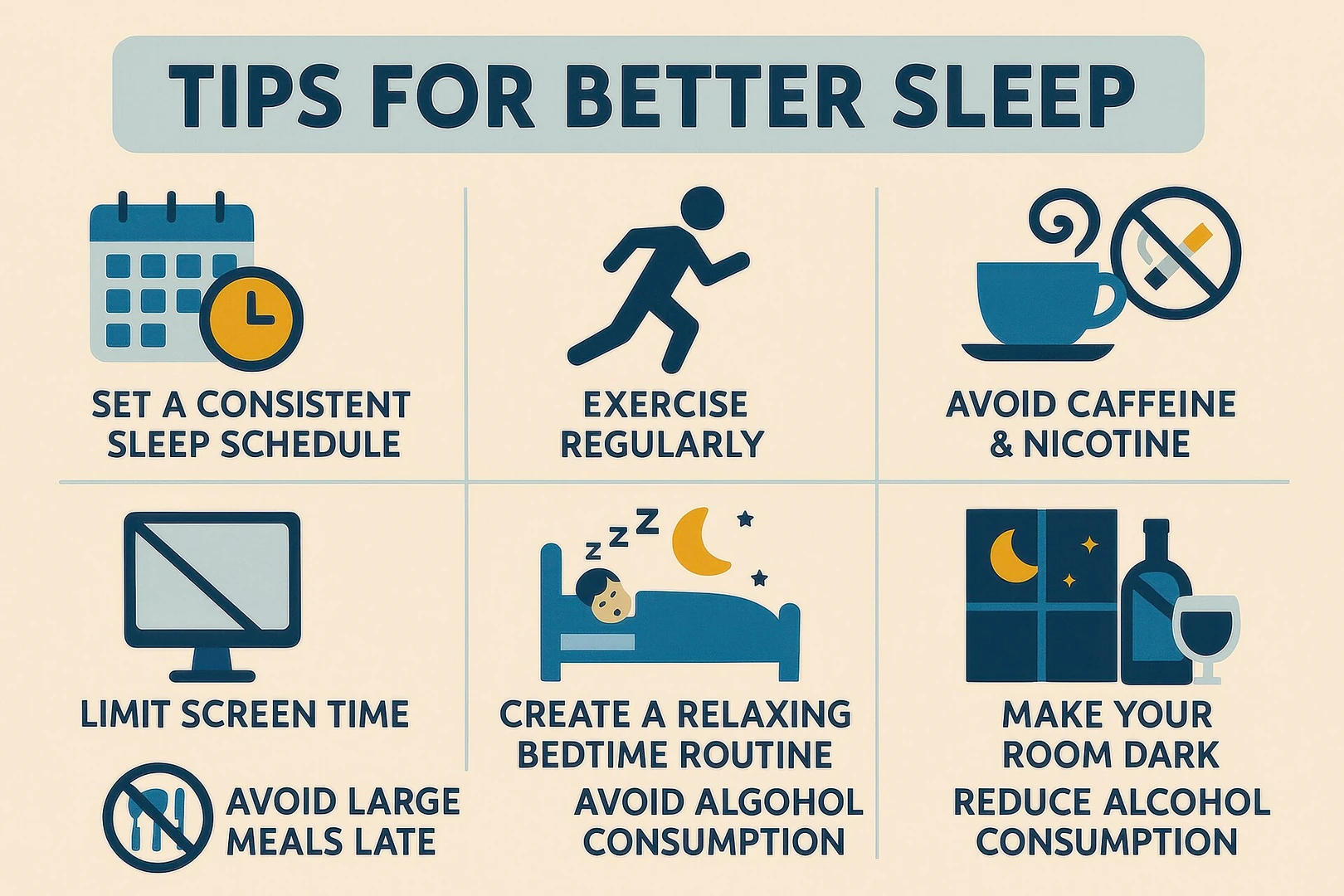
Basic sleep habits can include a reasonably regular wake time, reducing bright screens close to bedtime, keeping the sleep environment dark and quiet when possible, and limiting late caffeine. These habits are not a treatment for persistent insomnia or sleep apnoea.
Stress changes behaviour even before it changes numbers
Stress can disrupt meals, sleep, medication routines and motivation. Some people eat more under stress; others skip food or forget medicines. That means stress management can be useful even without trying to measure a direct effect on glucose.
Simple tools can include writing down the next action, asking for practical support, taking a short walk, using a breathing exercise, or scheduling a health task rather than keeping it in memory. If anxiety or low mood is persistent or severe, professional mental-health support may be appropriate.
Build a routine around cues
Habits are easier to repeat when they are attached to an existing event. Examples might include taking prescribed medication at the same established time, preparing the next day’s breakfast while cleaning up dinner, or checking feet after a shower if that is part of your care plan.
Use one or two changes at a time. A routine is not successful because it looks impressive; it is successful when it is safe, understandable and repeatable.
Sources used for this guide
Last editorial review: 6 October 2026.